Why Ghana Needs Grassroots Regulation to Combat Galamsey
Ghana’s persistent galamsey crisis continues to devastate the environment, prompting urgent calls for grassroots regulation to combat illegal gold mining.

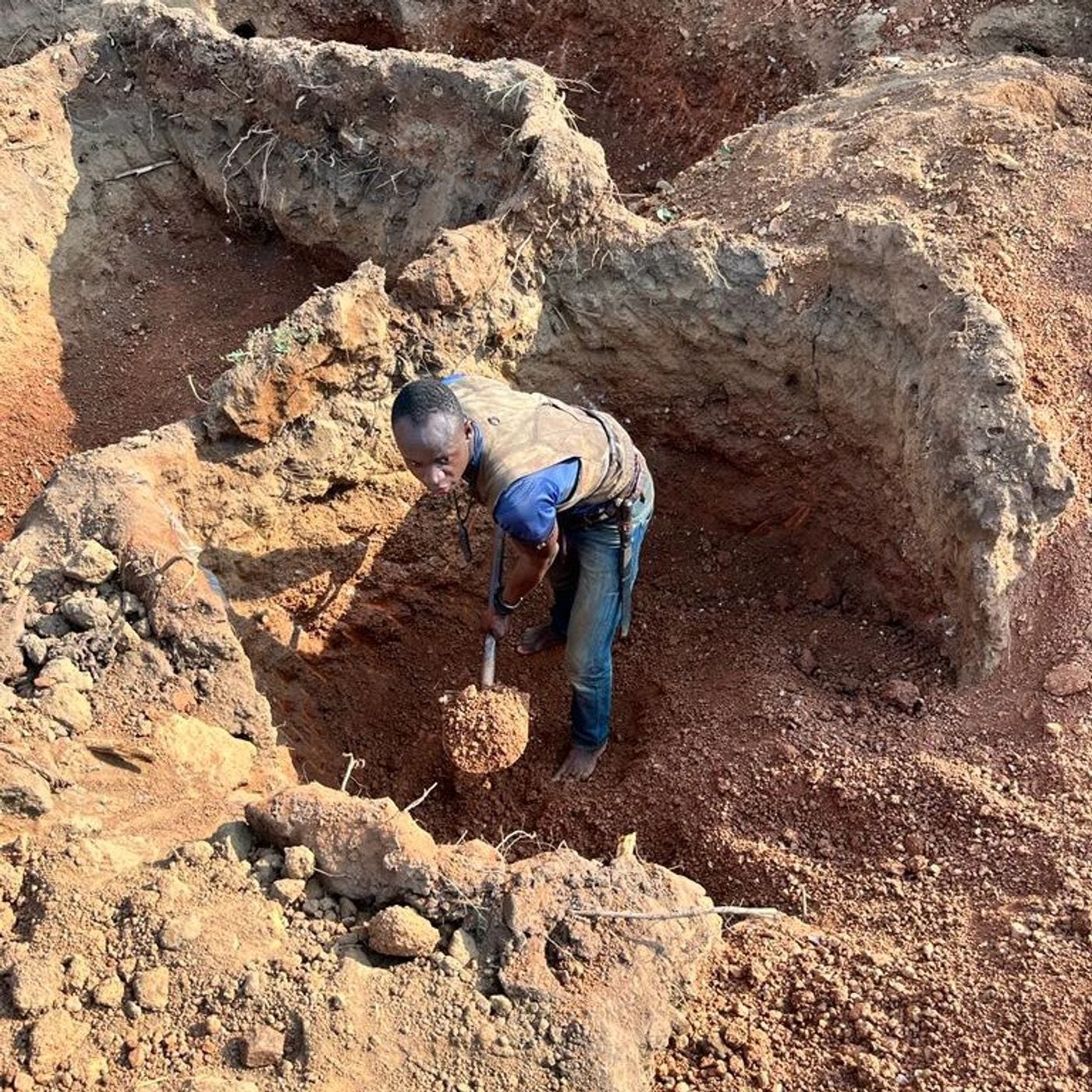
Illegal and poorly regulated small-scale gold mining, known locally as “Galamsey,” continues to inflict severe environmental damage across Ghana. In the Ashanti, Western, Eastern, and Central regions, operations have turned major rivers, such as the Pra, Ankobra, Birim, and Offin, into toxic waterways. The mercury and cyanide used in extraction flow directly into water sources that communities rely on for drinking, fishing, and irrigation.
A former senior official at Ghana’s Environmental Protection Agency, George Manful, noted that the “mercury can remain in water for up to 1,000 years,” and that the water in the rivers become so turbid that it is undrinkable. In Samreboi, it is not uncommon to see farmers break down in tears after surveying their lands and realizing it is dotted with cyanide-tainted pools. Around 60% of Ghana’s water bodies are now significantly polluted. In the Western Region’s Prestea-Huni Valley and Tarkwa areas, rivers run murky brown with sediment and chemicals. Even the cocoa farmlands have suffered heavily. In fact, the Ghana Cocoa Board has recorded losses of thousands of hectares, with one farmers’ association reporting close to 1.2 million hectares of farmlands destroyed nationwide.
Bismark Owusu Nortey, Executive Director of the Peasant Farmers Association of Ghana, stated last year that they worked on a report that showed “that close to 1.2 million hectares of farmlands have already been destroyed due to Galamsey.” He added that due to the practice, “over 500,000 individual farmers and their dependents have been denied the opportunity to use farming as an economic tool to improve their livelihoods.”
Deforestation to establish mines is equally alarming. Over 4,700 hectares of land have been lost across seven regions, damaging 34 of Ghana’s 288 forest reserves. A 2025 government-backed study found mercury in soils at Konongo Zongo averaging 56.4 ppm, well above the WHO’s 10 ppm safety threshold, with peaks hitting 1,342 ppm. The health impacts of rising kidney failure, skin diseases, and respiratory problems are mounting in such mining communities.
Government Approaches and Their Limitations
The good news about the situation is that the government of Ghana has not stood idle, as successive administrations have declared nationwide bans on small-scale mining, deployed military task forces, and created the Inter-Ministerial Committee on Illegal Mining. Despite all efforts, Galamsey has continued to worsen. In March earlier this year, the Ghana Coalition Against Galamsey (GCAG) issued a press release calling for President Mahama to address “weak enforcement, political interference, and widespread impunity” driving the practice. In the release, the commission highlighted the increasing destruction of forest reserves “now affecting over 50 sites, and the continued pollution of major rivers, posing significant risks to public health, biodiversity, and water security.”
What followed was that legislation was toughened. There were amendments to the Minerals and Mining Act that increased penalties to 15–25 years imprisonment and massive fines. Equipment has been seized and destroyed in raids, and mining in forest reserves has been prohibited. President Nana Akufo-Addo once declared he was “prepared to put my presidency on the line” to tackle Galamsey. In February earlier this year, President John Dramani Mahama, during the State of the Nation Address, noted that his government is intensifying prosecution “with a renewed focus on dismantling organized criminal networks behind Galamsey operations rather than targeting only the little fish low-level offenders.”
These top-down measures have shown very clear limitations. Firstly, enforcement is inconsistent and often politically influenced. Operations frequently rebound once security forces withdraw. Corruption allegations continue to persist, with reports of bribes to officials allowing miners to resume work. The bureaucratic licensing process for legal small-scale mining remains slow and costly for rural operators, pushing many toward illegality.
Martin Ayisi, head of the Minerals Commission, the mining industry regulator, acknowledged that most Galamsey gold is smuggled out, depriving the state of revenue while environmental costs mount.
The centralized approaches that have been adopted by the authorities struggle with the mobile nature of artisanal operations spread across remote areas. The military raids can provide temporary relief but rarely address the root causes of poverty, unemployment, and lack of viable alternatives in many Ghanaian rural communities.
The Case for Grassroots Regulation
What must change is the balance of power. Ghana needs a hybrid model that strengthens grassroots regulation while maintaining national standards. Traditional authorities and local communities, who hold deep knowledge of the land and customary influence, should play a formal role in licensing, monitoring, and enforcement at the district level.
Community mine consultative committees, as piloted in places like Chirano and Prestea, have already shown promise in resolving conflicts and pushing for remediation. These should be scaled up with legal authority, training, and funding. The royalties and taxes from regulated mining could flow directly into community environmental funds for mercury-free technology, land reclamation, and provision of alternative livelihoods, such as sustainable agriculture or agroforestry, for community members.
Local watch groups should be supported but not replaced by national forces, because their constant on-the-ground design could assist in reporting violations in real time. Education on safer mining techniques, including retorts and gravimetric methods, should be delivered by trusted community members, which would likely achieve higher adoption rates than any top-down campaigns. Lastly, streamlining district-level licensing and reducing associated fees would bring more operators into the formal system.
What Should Change
Ghanaian national policy must devolve real decision-making power and resources downward while setting clear environmental boundaries for the participating communities. The Minister of Lands and Natural Resources, Emmanuel Armah-Kofi Buah, acknowledged in October last year that “decentralising the mining permitting processes will deter people from engaging in illegal mining activities.” However, this talk must translate into consistent action for viable results.
Penalties should continue to remain strong for large-scale violators and repeat offenders, but the emphasis must shift toward prevention, formalization, and restoration. There has to be greater transparency in revenue sharing to reduce incentives for illegality. Women and other marginalized voices, who often suffer the heaviest health and livelihood burdens in these conditions, need guaranteed seats in local governance structures. The human cost is visible and urgent.
Grassroots regulation here does not mean that the state should abandon its responsibility. It means recognizing that the gap between the central state and local communities will not allow them to effectively manage a problem rooted in local landscapes and livelihoods. So, by empowering communities with authority, tools, and economic alternatives, Ghana can indeed move from the cycles of crackdown and relapse it has experienced in the previous years toward lasting recovery of its rivers, forests, and farmlands.

